Staying Strong Through Nutcracker Season
 Dr. Chelsea Moehlenbrock
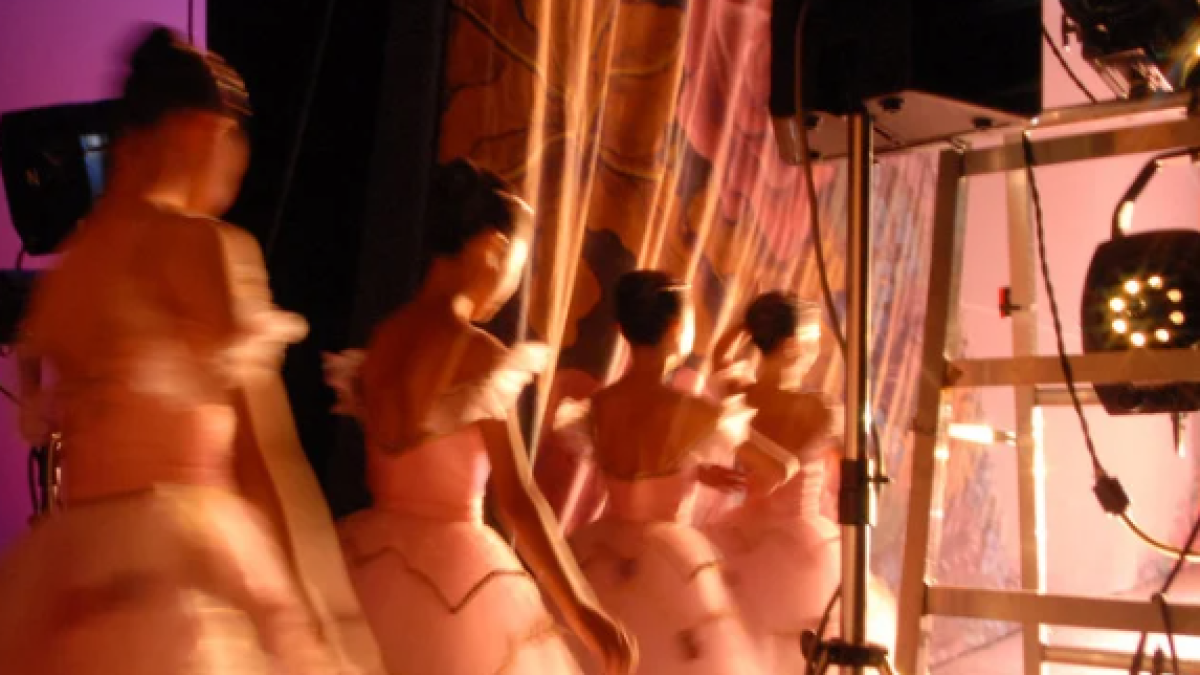
Nutcracker season is magical—the costumes, the music, the excitement of performing on stage. But let’s be honest: it’s also one of the most physically demanding times of the year for dancers. Between regular classes, extended rehearsals, and multiple performances, your body is working overtime.
As a dance physical therapist specializing, I see the same pattern every November and December: dancers pushing through fatigue, ignoring early warning signs, and ending up sidelined right when they need to be at their best. The good news? With the right strategies, you can stay strong, healthy, and injury-free all season long.
Understanding the Nutcracker Load
Think about your typical training week. Now add 5-10+ hours of rehearsals on top of that. Your body is suddenly managing a massive increase in training load—often with less recovery time built in.
This spike in volume is exactly when overuse injuries happen. Stress fractures, tendinopathies, muscle strains, and ankle sprains become much more common during performance season. Your body simply hasn’t had time to adapt to the increased demands.
The key is managing your capacity versus your training load. If your training load exceeds what your body can handle, injury risk skyrockets.
Warning Signs You Shouldn’t Ignore
Your body will tell you when something’s wrong—if you’re listening. Watch for these red flags:
Discomfort or pain that doesn’t go away after warming up
Pain that gets worse throughout rehearsal
Swelling that persists overnight
Decreased range of motion
Compensating or favoring one side
Feeling exhausted despite adequate sleep
Remember: Pain is not a badge of honor. Pushing through early warning signs often turns a minor issue into a bigger issue that limits your participation in rehearsals and performances.
Smart Strategies for Nutcracker Survival
1. Prioritize Your Warm-Up
I know you’re tired. I know rehearsal starts in five minutes. But skipping your warm-up is one of the fastest ways to get injured.
Spend at least 10-15 minutes preparing your body:
- Light cardio to increase blood flow
- Dynamic stretching (leg swings, arm circles, torso rotations)
- Activation exercises for your core and glutes
- Movement-specific prep (things that mimic what you’ll be doing in rehearsal)
Your warm-up should leave you feeling ready to move, not sorta-kinda-maybe ready for dancing full out.
2. Fuel Your Body Properly
You’re burning significantly more calories during Nutcracker season. This isn’t the time to restrict food—your body needs fuel and proper nutrition to perform and recover.
Focus on:
- Eating regular meals and snacks throughout the day
- Including protein with every meal (helps muscle recovery)
- Staying hydrated (aim for half your body weight in ounces of water daily)
- Having a post-rehearsal snack within 30 minutes (protein + carbs)
If you’re feeling constantly exhausted, lightheaded, or noticing performance decline, inadequate nutrition might be the culprit.
3. Build in Active Recovery
Rest days might be impossible during Nutcracker, but that doesn’t mean you can’t recover strategically.
Try these active recovery techniques:
- Foam rolling or self-massage (10 minutes daily)
- Gentle stretching or yoga on lighter days
- Epsom salt baths to reduce muscle soreness
- Walking or light swimming on your day off (if you have one)
Recovery isn’t lazy—it’s how your body gets stronger.
4. Strengthen What Matters
The dancers who make it through Nutcracker season injury-free are usually the ones who’ve built a solid strength foundation (and that was done over the summer and into the Fall, not two weeks ago). But even if you haven’t been strength training all year, it’s not too late to start.
Focus on these key areas:
- Ankle stability: single-leg balance exercises with added head turns or eyes closed
- Hip strength: single leg bridges, single leg RDLs, airplane hip rotations
- Core control: planks, dead bugs, bird dogs
- Foot/Ankle endurance: arch lifts, towel scrunches, marble pickups, single leg releve while holding a heavy weight
Even 10-15 minutes of targeted strengthening 3-4 times per week can make a huge difference.
5. Manage Your Schedule Wisely
If you’re dancing 6-7 days a week with multiple rehearsals, something has to give. Talk with your teachers about:
- Whether you can mark certain sections to save your body
- Taking class at a lower intensity on heavy rehearsal days
- Skipping non-essential classes if you’re feeling run down
Smart dancers know when to push and when to pull back.
6. Address Small Issues Immediately
That nagging ankle pain? That “tight” hip flexor? The foot that’s been bugging you for two weeks?
Don’t wait. Small problems become big problems when you ignore them during high-volume training periods.
Seeing a physical therapist early can help you identify the root cause of pain and get a personalized treatment plan. Learn exercises to prevent it from getting worse. A PT can also help you stay in rehearsals while you heal by guiding modifications and also intensity/effort in rehearsals.
Most dance injuries I treat could have been minimized—if the dancer had come in at the first sign of trouble.
When to Seek Help
You should see a physical therapist if:
- Pain persists for more than 3-5 days
- You’re compensating or changing your technique due to pain
- Swelling doesn’t resolve with rest and ice
- You’re worried an injury might sideline you
- You want to prevent injuries before they happen
Remember, physical therapy isn’t just for injuries—it’s also for performance optimization and injury prevention.
The Bottom Line
Nutcracker season is demanding, but it doesn’t have to break you down. By managing your training load, listening to your body, prioritizing recovery, and addressing issues early, you can dance your best when it matters most.
You’ve worked too hard to let a preventable injury keep you off stage. Be smart, be proactive, and give your body what it needs to perform at its peak.
Need support getting through Nutcracker season? Whether you’re dealing with a nagging injury or want to prevent one from happening, I’m here to help. Reach out (chelsea@kinetic-wellness.com) to book an initial evaluation and let’s create a personalized plan to keep you strong and healthy all season long.
Stay strong, dancers. You’ve got this.
I have read and agree to the terms & conditions. We will not spam you.