Instructor's Guide to Recognizing and Responding to Common Dance Injuries
 Dr. Chelsea Moehlenbrock
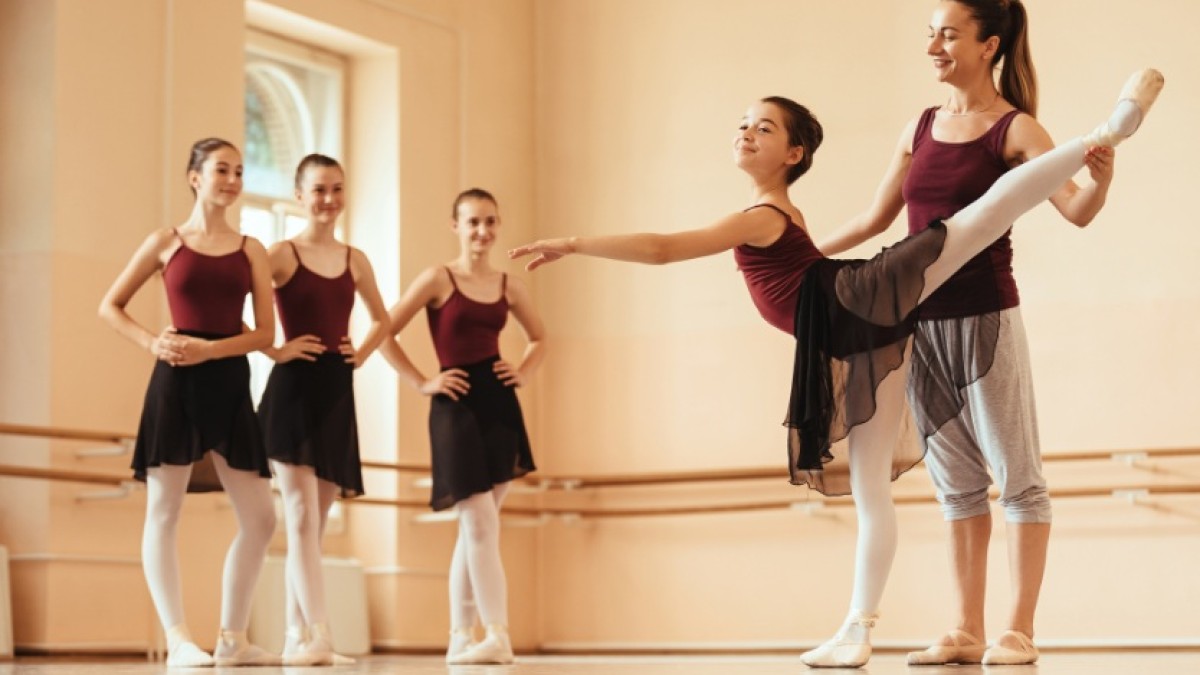
Dance instructors play a crucial role in keeping dancers safe and thriving. Recognizing early signs of injury and knowing how to respond can make all the difference for your students’ health, confidence, and long-term success. This guide will help you spot the most common injuries in the studio and provide practical steps for responding—so you can support your dancers with confidence.
1. Why Early Recognition Matters
Prevents minor issues from becoming major injuries
Supports dancer well-being and performance
Builds trust between instructors and students/parents
2. Most Common Dance Injuries to Watch For
- Ankle sprains: Rolling, twisting, or “giving out” of the ankle—often after jumps or turns
Encourage dancers to compress and elevate after an ankle sprain and also encourage them to do ankle circles throughout the day.
- Achilles tendinopathy: Persistent soreness or pain in the back of the ankle along the Achilles tendon (at heel bone or up into calf), especially after repeated jumps. Pain potentially improves once the tendon is warm.
Have dancers modify class and reduce the number of releves and jumps they do. If it’s an advanced tendinopathy, avoid jumps and avoid stretching the calf (when tendons are irritated, they don’t respond well to the compression that stretching puts on them)
- Stress fractures (foot, shin): Gradual onset of pain, worse with activity, improves with rest, pain at night
Dancers need to rest in order for stress fractures to heal
- Knee pain (patellofemoral pain): Aching or sharp pain around the kneecap, especially with pliés or jumps
Many times this is related to the patellar tendon being sensitive to the load being placed on it. Have dancers modify class by reducing or eliminating jumps and avoiding grand plies.
- Hip pain: Pain or “catching” in the front of the hip, often with développé or grand battement, pain with splits
This will require a referral to diagnose what’s going on in the hip. It may seem like a hip flexor strain, but there’s likely an imbalance in the back of the hip that contributed to it in the first place.
Hip injuries are not to be ignored, since they can also be related to a deeper issue inside the joint.
- Low back pain: Persistent soreness, especially after partnering or extensions
If a dancer has back pain that persists over several weeks, definitely refer to a medical provider to rule out more serious injuries.
3. When to Refer Out: Knowing When to Call in a Professional
As an instructor, you’re the first line of support, but some situations need a medical professional’s expertise. Here’s how to know when it’s time to refer a dancer to a physical therapist, doctor, or other healthcare provider:
Clear Signs a Dancer Needs to See the Appropriate Medical Provider:
Pain has been >3/10 for >3 days
Sudden or severe pain (especially if it started during class or after a specific movement)
Inability to bear weight on a limb or limping
Visible deformity (joint looks “out of place,” bone appears misshapen, or obvious swelling)
Numbness, tingling, or decreased strength or movement in any limb
Suspected concussion (headache, dizziness, visual changes after a fall or collision)
Unrelenting or worsening pain that doesn’t improve with rest or modification
Swelling that doesn’t go down after 48 hours
Recurring injuries (same body part keeps getting hurt)
Multiple joints or areas experiencing pain within a several week timeframe
Distress, confusion, or anxiety around returning to dance after an injury
How to Refer Out Effectively
Have a list of trusted local professionals (physical therapists, sports medicine doctors, etc.)
Offer reassurance: “Seeing a specialist can help you get back to dancing safely and faster.”
Communicate with parents/guardians about your observations and recommendations
Follow up with the dancer after they’ve seen a professional
Remember: It’s always better to refer early than to wait and risk a more serious or long-term injury. Your dancers (and their families) will appreciate your care and professionalism!
4. What Instructors Can Do
Encourage open communication—make it safe for dancers to speak up about injuries.
Observe changes in technique, turnout, or willingness/ability to participate in classes
Offer modifications or rest when needed
Keep a list of trusted healthcare professionals for referrals
Never shame or blame students for injuries. Instead, foster a supportive environment where dancers feel safe reporting pain or concerns. Remember, seeking help is a sign of responsibility, not weakness. Pushing through pain is NOT a badge of honor.
5. Supportive Language & Mindset
Use empowering, non-judgmental language (“Let’s look at what will need to be modified” vs. “You need to push through”)
Emphasize that seeking help is a sign of taking responsibility for your own health, not a weakness
Celebrate progress and effort, not just perfection
6. Sit Out or Modify? Making the Right Call
It’s not always straightforward as to whether a dancer should sit out or just modify their activity in classes, particularly if they haven’t gone to a dance physical therapist yet that can provide clarity on this. Here are some guidelines to help you make safe, supportive decisions in the studio:
- Modify in Class:
Pain <5/10
Can walk without limping
Mild or minimal apprehension about participating in class
- Modification examples: reducing or avoiding movements/positions that trigger pain >5/10, reducing the number of jumps, skipping pointe work, only doing the first part of class
Always encourage honest feedback and check in before/after each class.
- Sit Out Entirely:
Pain >/= 5/10 at rest
Limping with walking
Cannot perform basic movements without pain, such as a squat, step-up, walking, reaching overhead, etc
Dizziness present
Visible swelling/bruising
While sitting out: have dancers take notes or do a floor barre (with modifications as necessary) or do other exercises that were provided by a physical therapist. This helps keep them engaged and feel like they are still able to do something beneficial while they respect their body’s need for healing.
Tip: When in doubt, err on the side of caution. It’s always better to rest than risk a more serious injury. Encourage dancers to communicate and remind them that taking care of their bodies is part of being a strong performer!
Conclusion
Your guidance can make a huge impact on dancer safety and confidence. By recognizing injuries early and responding with care, you’re helping dancers stay healthy, resilient, and passionate about their art.
I have read and agree to the terms & conditions. We will not spam you.